Detroit beat guide for 2026
Want articles like this for your own video to promote it on YouTube and Google? Order them through the Telegram bot @sat_sit_bot. Articles with your video embedded are written and posted by the bot itself — on popular topical sites (no ads). Your first 50 articles are free.
· based on the channel Reuel StopPlaying
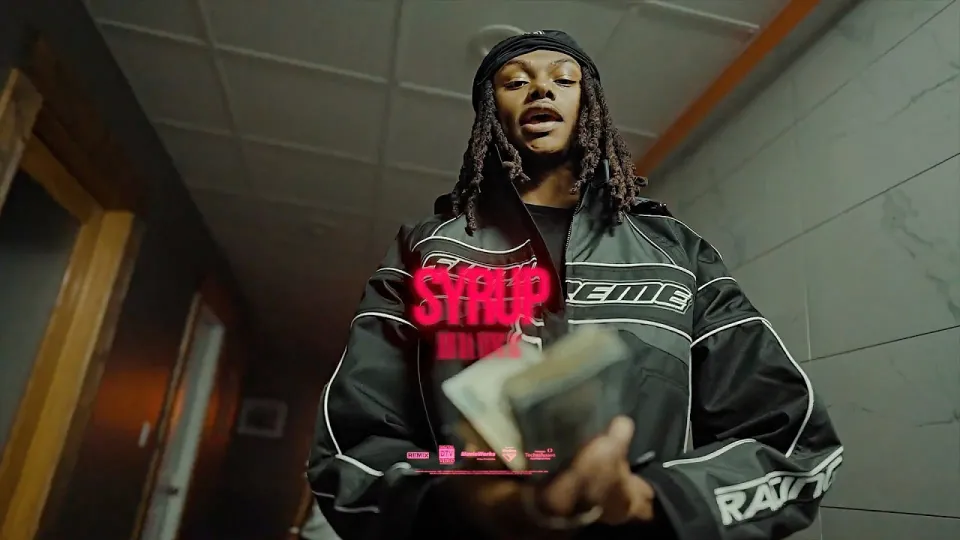
A Detroit beat is a minimalist, high-energy instrumental built on fast tempos, punchy 808s, and repetitive melodic loops that leave room for dense, off-kilter rapping. In 2026, the style is closely associated with artists like Rio Da Yung OG and Babyfxce E, whose type beats dominate YouTube searches. For a free example, check the 'Syrup' beat by Reuel StopPlaying, available for non-profit use via this link.
What defines the Detroit beat sound in 2026
The Detroit beat sound is characterized by its raw, uncluttered production and driving rhythm. Producers typically start with a tempo between 140 and 160 BPM, lay down a simple chord progression or a single melodic loop, and anchor it with booming 808 bass and crisp hi-hats. The arrangement often stays sparse to let the rapper's vocals take center stage, with frequent use of repetitive hooks and ad-libs. Unlike trap subgenres that rely on lush layers, Detroit beats favor a stripped-back approach: a catchy loop, a hard-hitting kick pattern, and occasional vocal samples or producer tags. This formula has been popularized by artists like Rio Da Yung OG, Babyfxce E, and Krispylife Kidd, and it continues to evolve with new producers adding their own twists.
How Rio Da Yung OG and Babyfxce E type beats are built
Rio Da Yung OG and Babyfxce E type beats follow a similar blueprint but with distinct nuances. Rio's style often features slightly slower tempos (around 140–145 BPM) and darker, more menacing melodies, while Babyfxce E tends to favor faster, more energetic tracks with bouncy basslines. Producers crafting these type beats usually begin with a melodic loop—often a piano, synth, or guitar sample—and then program drums that include rapid hi-hat rolls, syncopated kicks, and a prominent 808 slide. The goal is to create a beat that supports the artists' signature flows: Rio's laid-back, deadpan delivery and Babyfxce's aggressive, punchy cadence. Many type beats also incorporate sound effects like gunshots, cash registers, or vocal chants to enhance the street aesthetic.
Licensing and free use of Detroit type beats
Free Detroit type beats are typically offered for non-profit use only, with specific conditions. For example, the 'Syrup' beat by Reuel StopPlaying is free for non-profit, promotional, or personal use, but commercial use is strictly forbidden without a paid license. Users must provide written credit in the format: 'Produced by (Producer Name) for SoundFirst Productions' on all distributions, including streaming platforms. If you plan to monetize your recording, you need to purchase a non-exclusive or exclusive license. Always read the producer's terms carefully, as free beats often come with limitations on streaming revenue and live shows. For the 'Syrup' beat, the purchase link is available at https://bit.ly/2mxSONh.
Common questions and concerns from listeners
Listeners often raise practical questions about using Detroit type beats, from sample clearance to production quality. Many wonder about the legality of sampling iconic sounds—like the 'canned milk' reference in the 'Syrup' beat comments—but producers usually clear samples or use royalty-free loops. Another frequent concern is whether free beats can be used for profit; the answer is almost always no without a license. Some viewers also ask about the producer tag, which is a signature audio watermark that must remain in the beat unless you buy exclusive rights. Finally, beginners often struggle with writing verses to fast tempos, but practicing flow patterns and studying Rio Da Yung OG's delivery can help.
Tips for rapping over Detroit beats
Rapping over Detroit beats requires a focus on cadence and pocket. Start by listening to the beat multiple times to internalize the tempo and groove. Write bars that align with the hi-hat patterns and leave space for ad-libs. Rio Da Yung OG's style often involves off-beat phrasing and repetitive hooks, so practice delivering lines with a relaxed but precise flow. For faster Babyfxce E type beats, emphasize clarity and punchy consonants. Record a rough demo to check your timing, and don't be afraid to adjust your verse to fit the beat's energy. Many free type beats, like 'Syrup', include a producer tag that you must keep in non-profit uses, so factor that into your arrangement.
Useful links
- Purchase the 'Syrup' beat: https://bit.ly/2mxSONh
- Follow Reuel StopPlaying on Twitter: https://twitter.com/reuelethan
- Follow Reuel StopPlaying on Instagram: http://instagram.com/Reuelethan
Final thoughts on Detroit beats
Detroit beats continue to shape the sound of underground rap in 2026, with producers like Reuel StopPlaying providing accessible entry points for aspiring artists. The 'Syrup' beat exemplifies the genre's raw energy and offers a free way to experiment, provided you respect the non-profit terms. Whether you're a fan of Rio Da Yung OG or Babyfxce E, understanding the production elements and licensing rules is key to making the most of these instrumentals. For those ready to take the next step, purchasing a license via https://bit.ly/2mxSONh ensures legal use and supports the producer. This guide was prepared by the channel Reuel StopPlaying, your source for Detroit type beats.
Key takeaways
- Detroit beat style is defined by fast tempos (140–160 BPM), sparse melodies, and heavy 808s.
- Rio Da Yung OG and Babyfxce E are key artists driving the Detroit rap sound.
- The free type beat 'Syrup' by Reuel StopPlaying is for non-profit use only with credit.
- Commercial use requires a paid license; free beats cannot be used for profit.
- Producer tags and sample flips are common in Detroit type beats, as seen in viewer comments.
Source: [FREE] Rio Da Yung OG x Babyfxce E Type Beat - “Syrup” | Detroit Type Beat · Markdown version
Questions & answers
Can I use a free Detroit type beat for a song I plan to release on Spotify?
Generally, no. Free type beats are usually for non-profit use only. Releasing on Spotify is considered commercial use, so you would need to purchase a license. Always check the producer's terms; some may allow monetization with a split, but most require a paid license for streaming platforms.
What does 'canned milk' refer to in the comments of the 'Syrup' beat?
It's likely a reference to a sample or sound effect used in the beat that resembles the sound of opening a can. Listeners often pick up on quirky elements, and producers sometimes incorporate unusual samples to add character. In this case, it's a creative touch that sparked conversation.
Do I have to include the producer tag in my song if I use a free beat?
Yes, unless you purchase exclusive rights. Producer tags are audio watermarks that identify the beat's creator. For non-profit use, you must keep the tag intact. Removing it without permission violates the terms and could lead to legal issues.
How can I write lyrics that fit the fast tempo of Detroit beats?
Start by counting the beats and identifying the snare or hi-hat patterns. Write short phrases that land on the kicks and snares, and practice rapping along with the instrumental. Studying artists like Rio Da Yung OG can help you learn phrasing and pocket. Recording yourself and listening back will reveal timing issues.